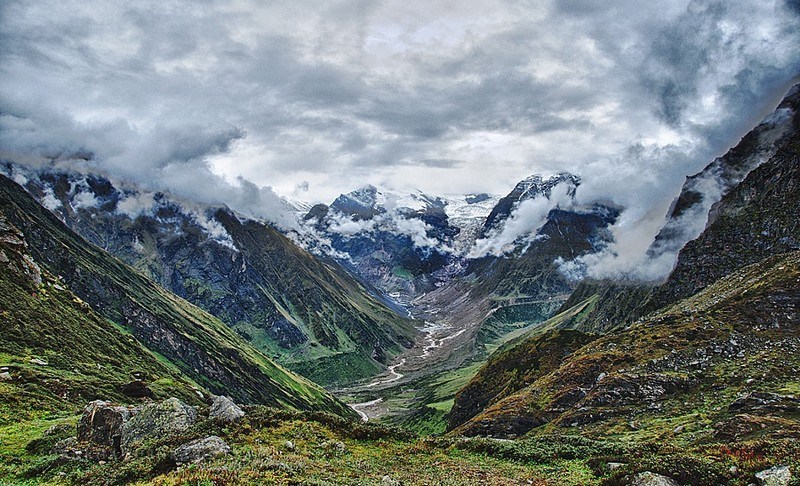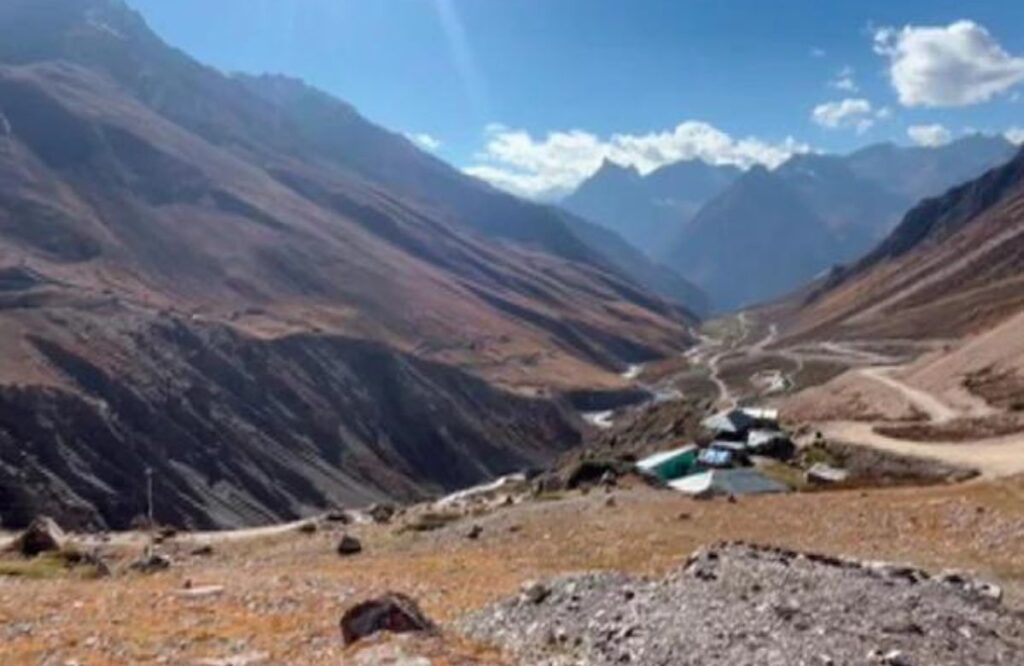
Not each journey in the Himalayas is ready ticking off a famous temple or standing in a crowd of pilgrims. Some places take a seat quietly, ready to make the effort. Kyarkoti Lake (क्यारकोटी झील), tucked deep inside the Taknaur Valley of Uttarkashi, is certainly one of them. At nearly three,820 meters, it isn’t the easiest trek, but it’s the type of vacation spot that adjusts the way you carry silence within you.
Beginning in Harsil (हर्षिल)
The street starts at Harsil, a tiny village that sits by the Bhagirathi River (भगीरथी). I suppose you’ve never been to photo apple orchards (सेब के बाग़), timber houses with sloping roofs, and a rhythm that feels absolutely exclusive from the town. Life here is sluggish. People are reluctant to talk, to share stories, to offer a cup of chai (चाय) before you spark off.
The sound of the river is constant. Day or night, it runs with the same energy, as if reminding you what real flow feels like. Standing there, you almost forget the trek hasn’t even begun yet.
Into the Forest
From Harsil, the trail pulls you upward into a forest thick with pine (चीड़) and deodar (देवदार). The air changes cooler, sharper, full of resin. Sunlight slips through the trees in broken patterns, never steady. Birds call, branches crack, sometimes a langur makes its presence known from high above.
There are streams to cross, cold enough to sting your hands if you stop to scoop water. You drink anyway. It’s fresh, and it feels like it goes straight to your bones.
Meadows Opening Wide
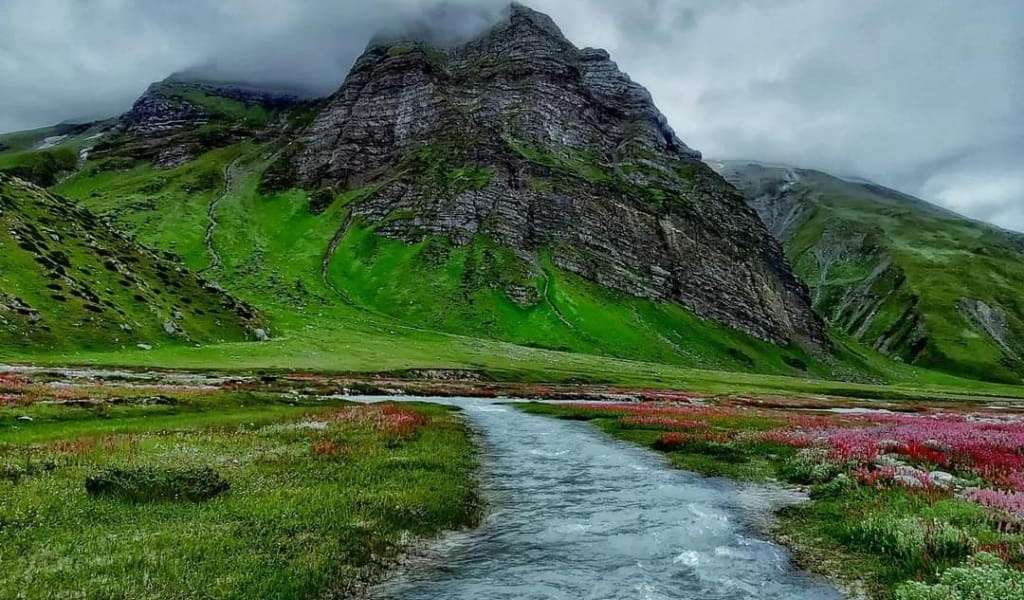
As the forest thins, the sector unfolds. Bugyals (बुग्याल), Uttarakhand's excessive-altitude grasslands, stretch out in emerald carpets. They radiate within the pink of buransh (बुरांश) vegetation in spring, a colour that is almost too vivid in opposition to the mountains. Wildflowers of every hue bloom in the summer season, and autumn goldenizes the grass.
Shepherds (गड़ेरिये) pass by with flocks of sheep (भेड़) and goats, their bells making a gentle rhythm against the quiet. Sometimes they refrain from speaking, occasionally they simply nod and hold strolling. Either way, it reminds you that you’re just a visitor here.
Nights Under the Sky
Camping on this hike is its own lesson. You set up a tent on open grass, make a small fire, and see the day roll into night. As the fire burns down, the sky becomes dominant. Stars come one at a time until the Milky Way (आकाश गंगा) flows across black.
It's cold. The sort that makes you curl your sleeping bag around you and still shake. But the quiet is palpable. You listen to the stream in the distance, the fire crackling, the breeze whistling past the tent. In the midst of it, even the plainest grub, dal (दाल), roti (रोटी), sabzi (सब्ज़ी), is like a banquet.
The First Glimpse of the Lake
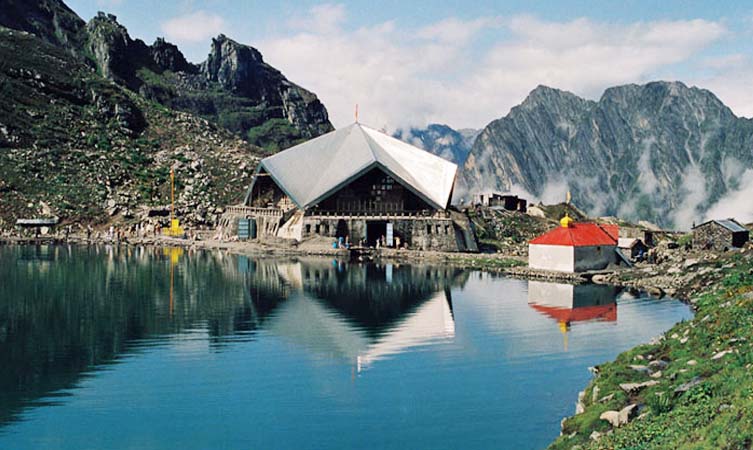
The last ascent is steady, not dramatic. And then, suddenly, Kyarkoti pops up. The lake isn't large, but it doesn't have to be. It changes from green to blue at its surface, mirroring the peaks nearby, Srikanth (श्रीकंठ), Bandarpunch (बंदरपुच्छ), and others that don't even go in for names.
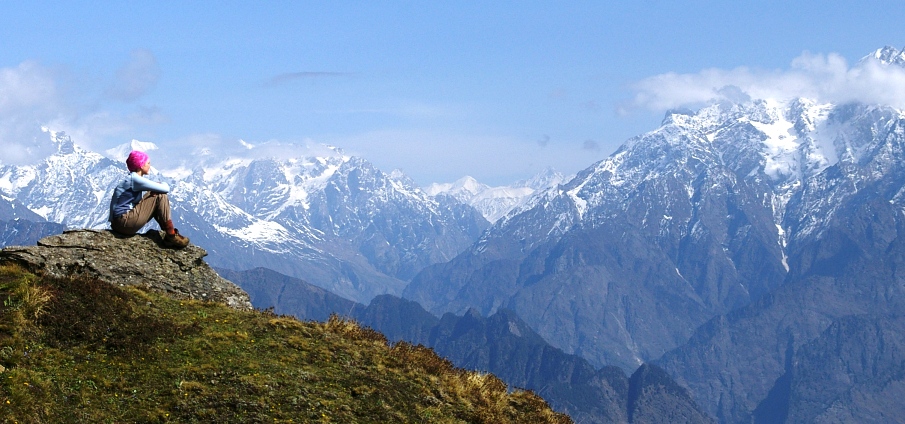
Clouds move by, and their shadows creep across the water. The location has you quiet your voice before you even realize it. It's not a location for making noise. It's a location for sitting quietly, for allowing your mind to settle like the ripples on the lake after a rock is thrown.
Belief and Respect
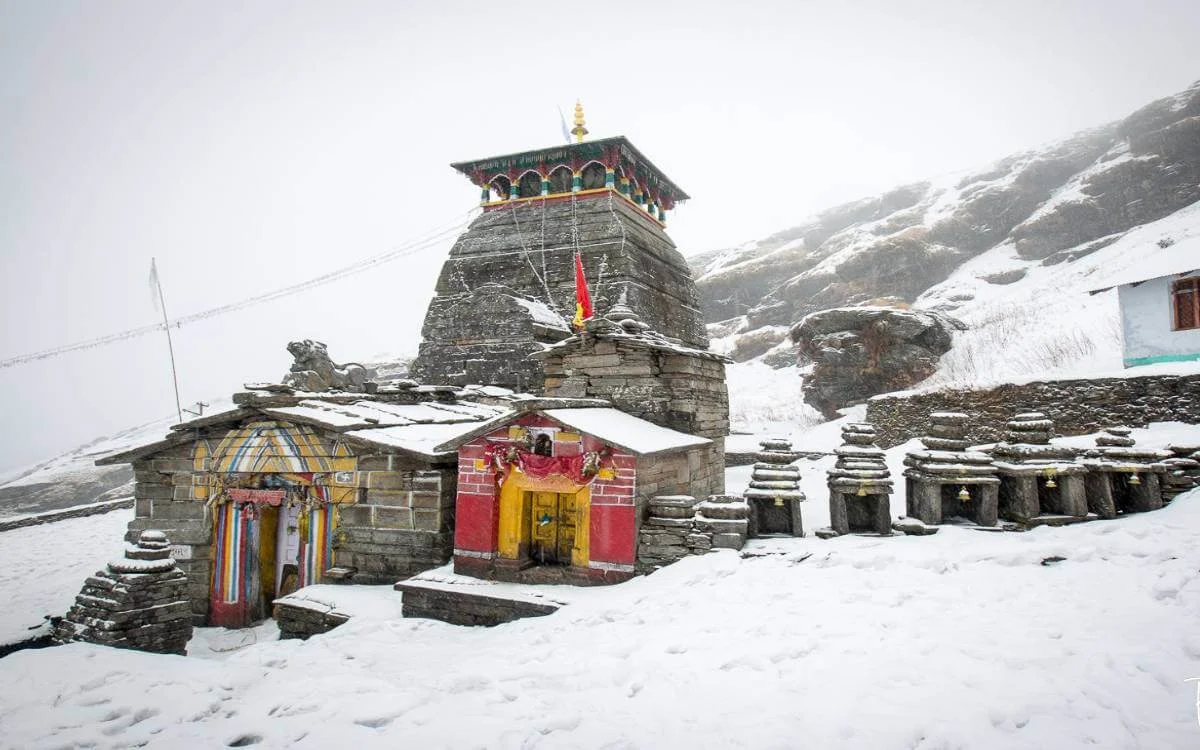
The locals hold the meadows and streams of this region with quiet reverence. They say these lands are blessed by देवता (devtas). Shepherds sometimes stop to light incense or murmur a prayer before moving on. It’s not a ritual for show. It’s just part of living with the mountains, acknowledging something larger than yourself.
Trekkers call Kyarkoti a “gateway trek” a way to prepare for bigger challenges like Lamkhaga Pass or trails near Gangotri. But honestly, Kyarkoti doesn’t feel like a stepping stone. It feels complete.
Best Time to Visit
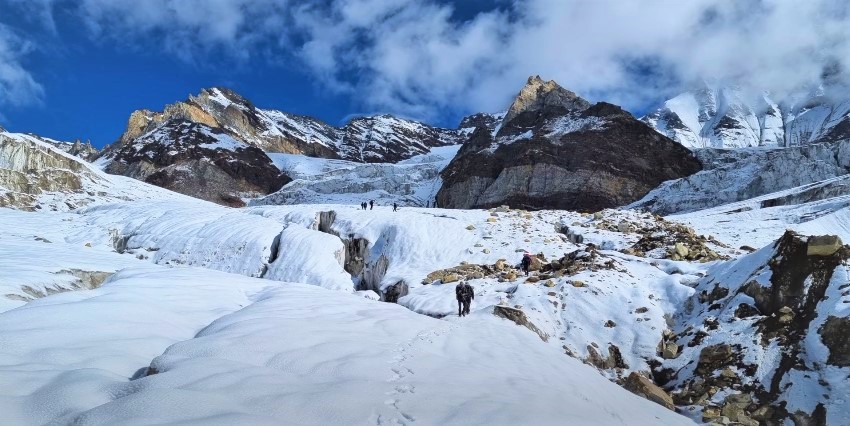
If you’re planning, keep it simple. May to June brings blooming flowers, while September to October gives you crisp air and clear skies. Winter is for the snow gods alone. The trail gets buried, and only experienced expeditions dare to go then.
What to Expect
Kyarkoti is not a luxury. Think 12 to 17 kilometers of walking, spread over several days. Nights are spent in tents. Before the trek, homestays in Harsil give you warmth and simple food. After that, it’s back to basics.
Carry layers. Even in summer, the cold bites once the sun goes down. Trekking shoes that can handle rough paths are essential. Water is everywhere, flowing fresh from streams. Food stays simple; dal, roti, chawal (चावल). No frills, but you won’t miss them.
What Kyarkoti Leaves Behind
What stays after the trek isn’t just the view of the lake. It’s the rhythm of bells in the meadows. The smoke of a fire curls into the night. The feel of Bhagirathi’s spray on your face in Harsil.
You come down with aching legs and a mind that feels strangely lighter. Kyarkoti doesn’t overwhelm you with grandeur. It lingers more quietly. Like a prayer you didn’t know you had whispered.