Mana village, just past Badrinath, calls itself the “last village of India.” But the one place that makes you stop here isn’t the border or the altitude. It’s a cave. Locals call it Vyas Gufa. To them, it isn’t just rock and shadow. It’s where words turned into an epic.
A Story Passed On
They say Ved Vyasa dictated the Mahabharata in this cave. Lord Ganesha (गणेश) agreed to write it down, tusk in hand, with a pencil, between them. Vyasa promised to keep speaking, never pausing. Ganesha promised to write, but only if he fully understood the verse. That balance speed and thought made the words flow.
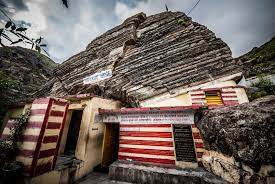
Step inside, and the cave roof really does look like pages of a book stacked open. Maybe a coincidence. Maybe not. People whisper that those stone “pages” hold the verses never revealed.
Reaching the Cave
The road from Badrinath to Mana is brief; however, the air thins fast. Shops promote woollens, tea, and tiny clay idols. Kids name out to vacationers. Beyond the bustle, you pay attention to the Saraswati River (सरस्वती नदी), louder than your personal mind.
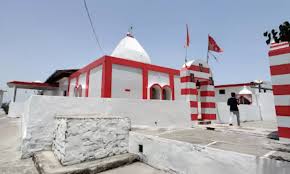
Then the cave appears. Not grand. Not dramatic. Just a rough opening with a shrine inside. A statue of Vyasa sits quietly in meditation, as if still mid-dictation.
Around the Cave
Take a few steps and you’ll find Ganesh Gufa. Locals say this is where Ganesha himself sat and wrote. The tusk legend feels alive here.
Walk further and you’ll reach Bhim Pul (भीम पुल) a boulder bridging the Saraswati, said to have been placed by Bhima for Draupadi. The river crashes below with a ferocity that makes you believe the story.
Mana has more: Muchukund Gufa, tales of Krishna, half-remembered myths etched into stone and passed off as everyday fact.
The Feeling Inside
Inside Vyas Gufa, the air is cool, damp, and strangely heavy. Silence holds the place together. Even if someone speaks, their voice comes back hushed. Pilgrims bow quickly, press their hands together, and step aside. Trekkers linger longer, squinting at the rock ceiling that resembles pages.
You can sit there for a while, and the cave almost pushes you to listen. To the river outside. To the echo of your own breath. To words that might still hang in the dark corners.
Why People Still Come
It isn’t a big temple. It isn’t polished with marble. There’s no loud decoration. What brings people here is the sense that this cave is older than memory, older than written history.
Writers visit, hoping to feel something stir. Pilgrims visit, bowing to a sage who gave India its longest story. Travelers visit because once you’re in Mana, the cave is simply part of the journey.
What Stays With You
You leave Vyas Gufa without a grand photograph. There isn’t much to capture just a cave, a small shrine, a river. But it stays with you in a different way.
The sound of the Saraswati doesn’t fade quickly. The image of those stone pages sits in your mind. And somewhere in the back of your thoughts, you carry the picture of an old sage, speaking line after line, and a god writing them down patiently, tusk pressed into a palm leaf.
That’s the gift of this cave. Not spectacle. Not grandeur. Just a reminder that words, once spoken, can live forever in stone, silence, and memory.