Not all journeys shout. Some begin in silence. Tungnath (तुङ्गनाथ) is like that. You don’t just reach it, you grow into it step by step.
At 3,680 meters, it is the highest Shiva temple in the world. A line on paper. But the truth is in the climb, in the thin breath, in the stone that holds both snow and story.
Legends That Refuse to Die
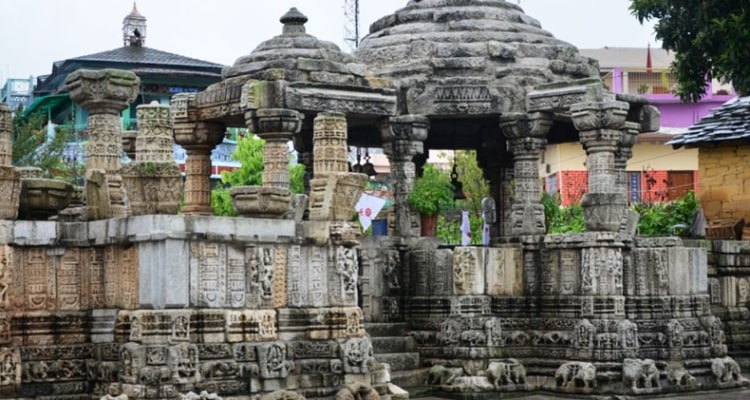
The hills never let go of the Mahabharata. People here say the Pandavas came, tired of blood and guilt. They searched for Shiva, hoping he would forgive. But Shiva hid from them, turned into a bull, and scattered his body across these mountains. His face at रुद्रनाथ, his navel at मध्यमहेश्वर, his hair at कल्पेश्वर, his hump at केदारनाथ. And here, at Tungnath, his arms.
When villagers tell it, it doesn’t sound like a myth. It sounds like something that still breathes under the soil.
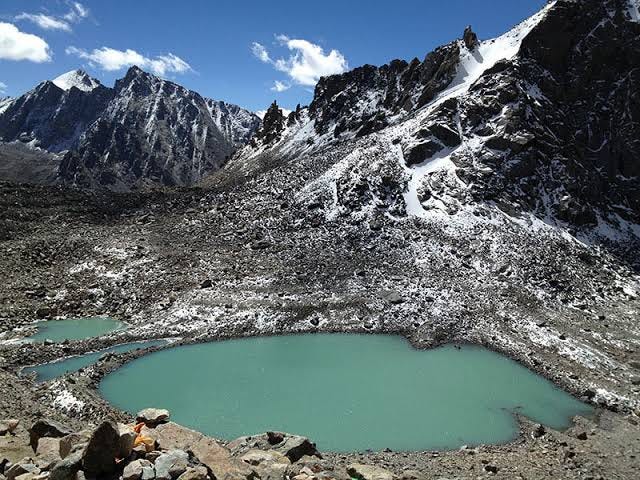
Above Tungnath lies चंद्रशिला. They say Lord Rama meditated there after defeating Ravana. Others whisper that the moon-god himself sat in penance on that ridge. The name means “Moon Rock”. On some nights, when the snow catches silver light, you almost believe it.
The Path From Chopta
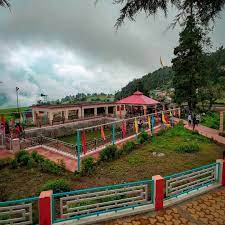
The road takes you to Chopta (चोपटा), a meadow tucked within the forest. From there, it’s a 3. Five km trek. Doesn’t sound like lots until you stroll it. The trail rises rapidly. Stone steps cut through the area of oak and rhododendron. In April, the rhododendrons bloom, a purple blaze in opposition to gray rock. In wintry weather, snow buries the identical steps, and silence carries heavier than any chant.
Every now and then, the woodland opens. Peaks flash inside and out of cloud: नंदा देवी, त्रिशूल, चौखंबा. The air thins, your chest works more difficult, and the most effective sound is your very own respiration.
Someone sells chai halfway up. Steam rising from a tin cup, the sting of ginger, the relief in that first sip. Small things like that stay longer than the view.
First Sight of Tungnath
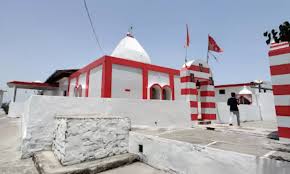
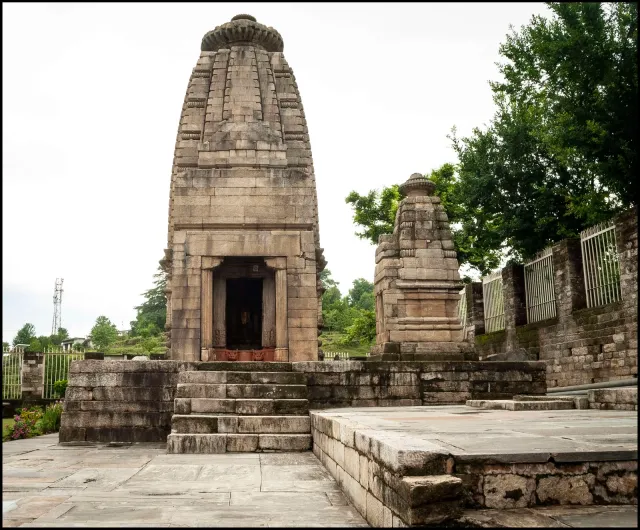
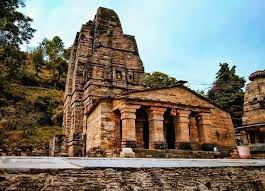
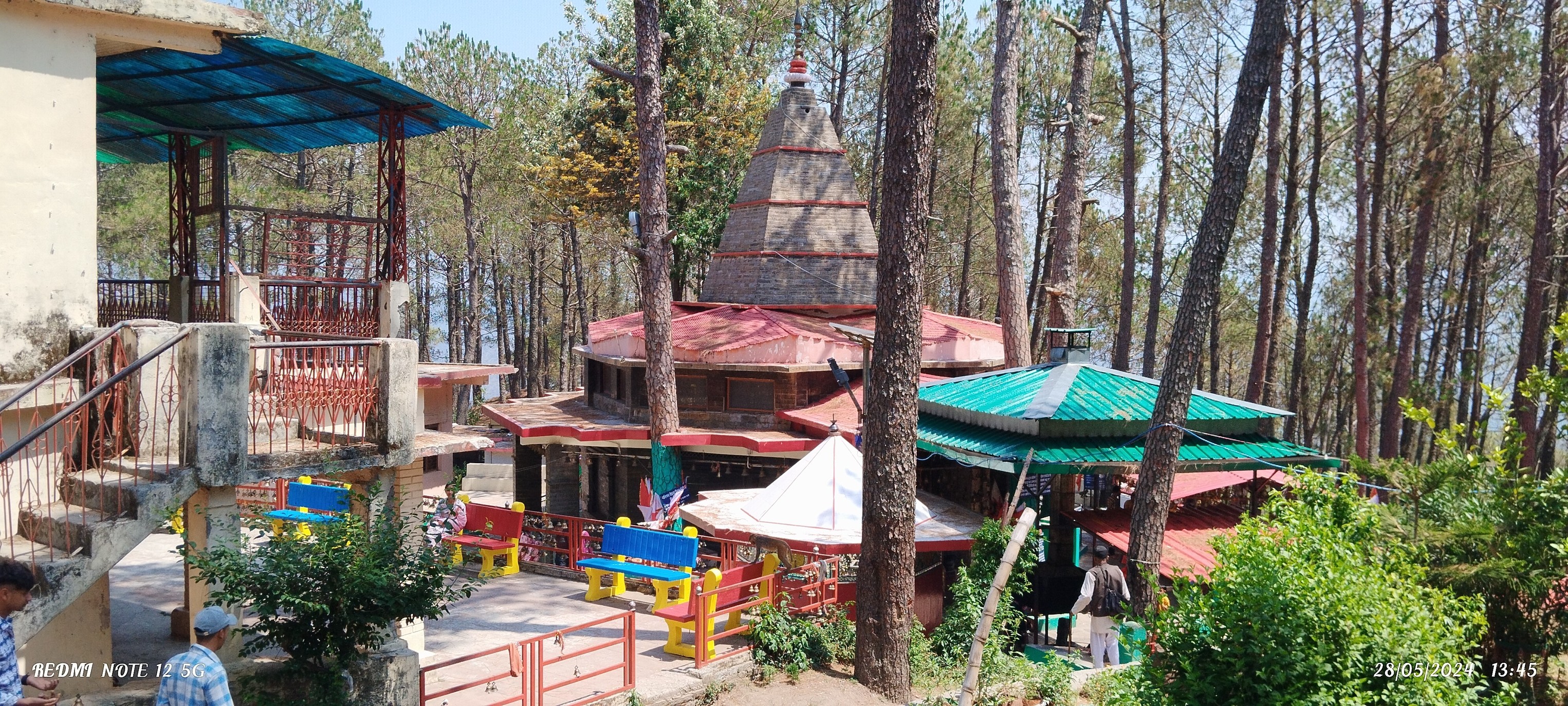
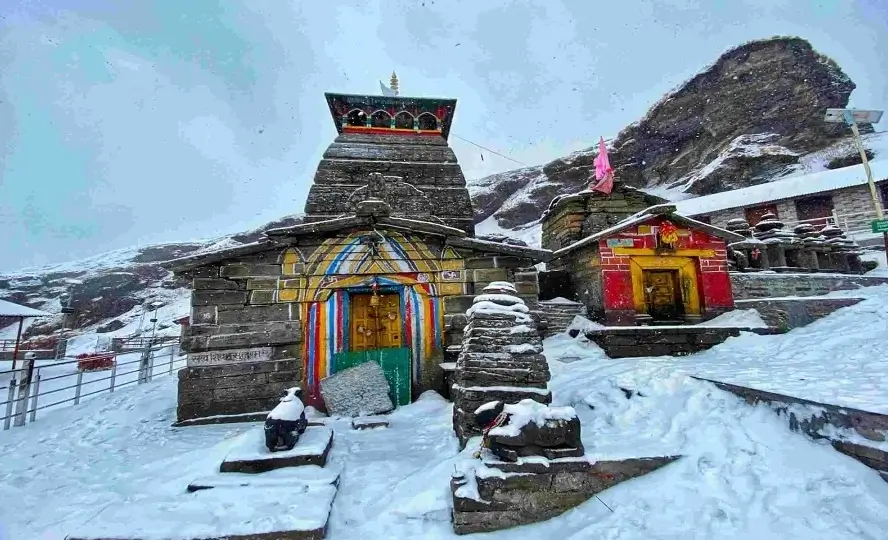
The temple doesn’t loom. It waits. A squat structure of dark stone, softened by centuries of snow and sun. No golden spires, no noise. Just strength in stillness.
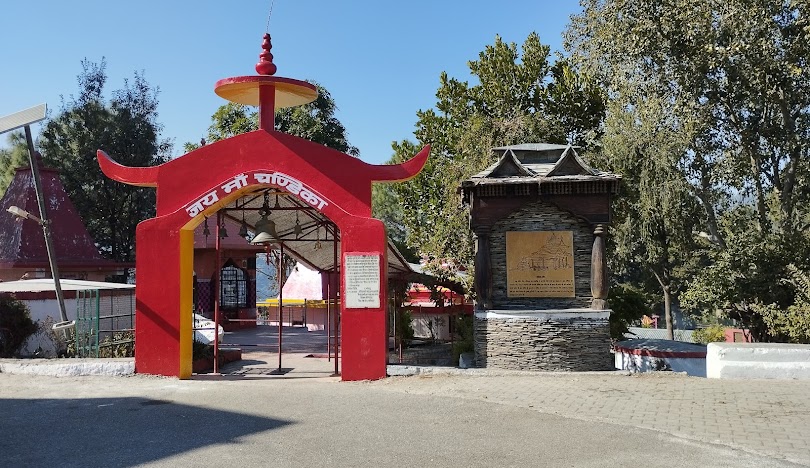
At the gate, Nandi (नंदी) watches, carved and eternal. Inside, ghee lamps flicker, smoke curls, mantras echo low. The शिवलिंग is unshaped, rough, like a fragment of earth. You bow, not because anyone tells you to, but because silence pulls your head down.
Time stumbles inside. Five minutes feel like fifty. You walk out, unsure of how long you stayed.
When the Temple Breathes
From April to November, the temple lives. Pilgrims arrive with flowers, bells ring, bhajans fill the air. On महाशिवरात्रि, the courtyard glows with a hundred lamps, voices rise through the night, and mountains carry the sound back.
By early winter, snow closes the path. Priests carry the rituals down to Ukhimath (उखीमठ). Tungnath sleeps under white silence until spring.
Notes for Travelers:
- The best time is May to October. Winter buries the trail.
- Start from Chopta. The trek to Tungnath is 3.5 km, and if you still have strength, another 1.5 km takes you up to Chandrashila.
- The weather turns fast. Sun in the morning, hail by afternoon. Always carry warm clothes. Nights bite even in June.
- Stays are simple. Homestays, dharamshalas, small guest lodges. Food is basic: dal, roti, sabzi, rice. Enough, and warm.
- Inside the temple, keep silence. Fold your hands. That’s enough.
What You Carry Down
Tungnath doesn’t give you spectacle. It gives you stillness.
Maybe you remember the fog curling across the meadow at dawn. Or the sting in your lungs when the air thinned. Or the way the Shivling glowed faintly in lamp light.
It won’t be the photos that stay. It will be the hum in your chest, the kind that follows you long after you’ve left.