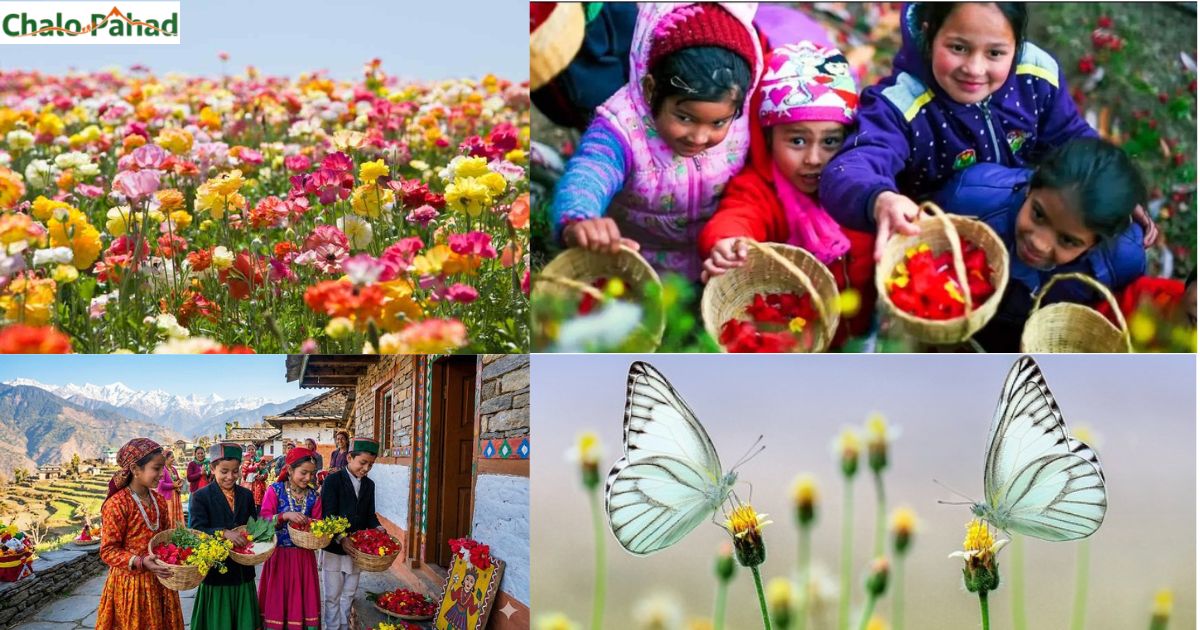
India has innumerable carnivals. Some are huge and extensively known, while others still live within original societies. Phool Dei falls into that alternate order. It’s not a commodity you see advertised far and wide, but in the hills of Uttarakhand, people know it veritably well.
For numerous families, this jubilee marks the real morning of spring.
When downtime sluggishly fades, and flowers begin appearing in the fields and timbers, townlets prepare for Phool Dei. It’s a simple festivity, substantially led by children, but the feeling around it is warm and joyous.
What is the Phool Dei Festival?
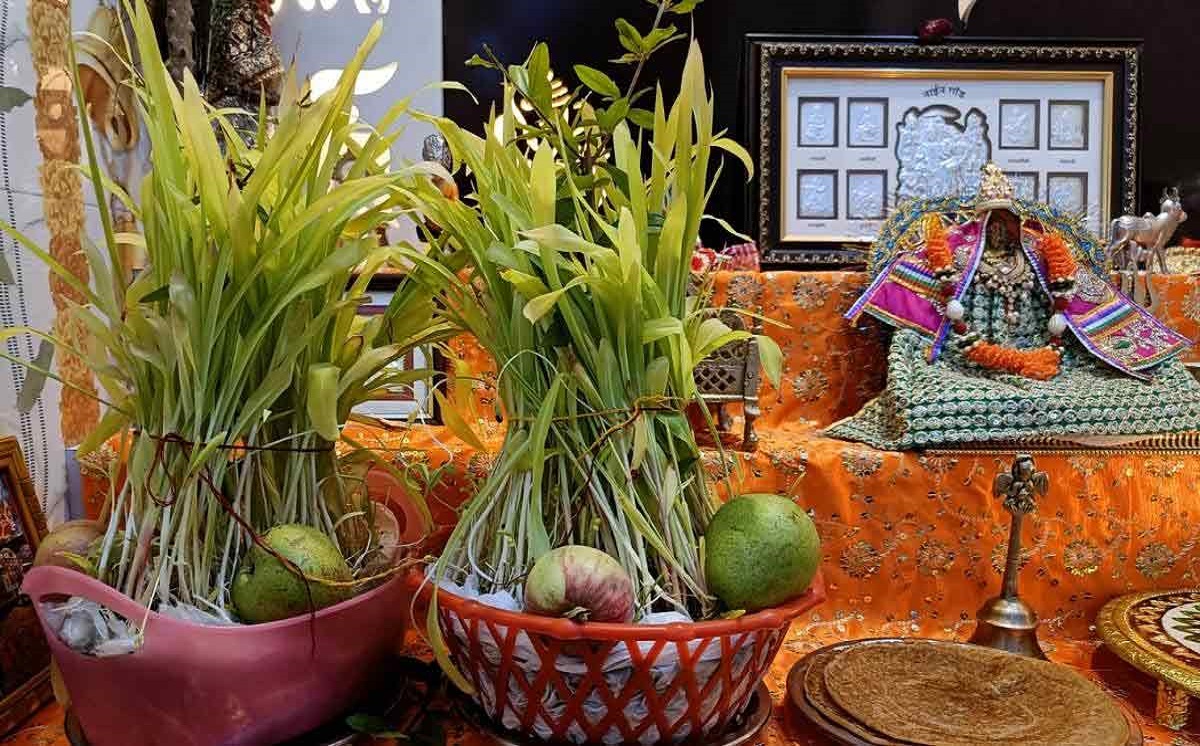
At its core, Phool Dei is a spring drinking jubilee. Beforehand, in the morning, children from the village step out with small baskets or plates. They gather fresh flowers from nearby fields and timber areas. These are generally seasonal wildflowers that bloom around this time of year.
After collecting them, the children go from house to house. At every doorstep, they place many flowers and sing a traditional blessing song. The song wishes happiness, substance, and good fortune for the family living there. The line utmost people fete goes commodity like
“Phool Dei, Chamma Dei, Deno Dwar”
Indeed, if the words are old, the communication behind them is clear, wishing well for others. And actually, that’s presumably the nicest part of the whole jubilee.
What happens after the children place the flowers?
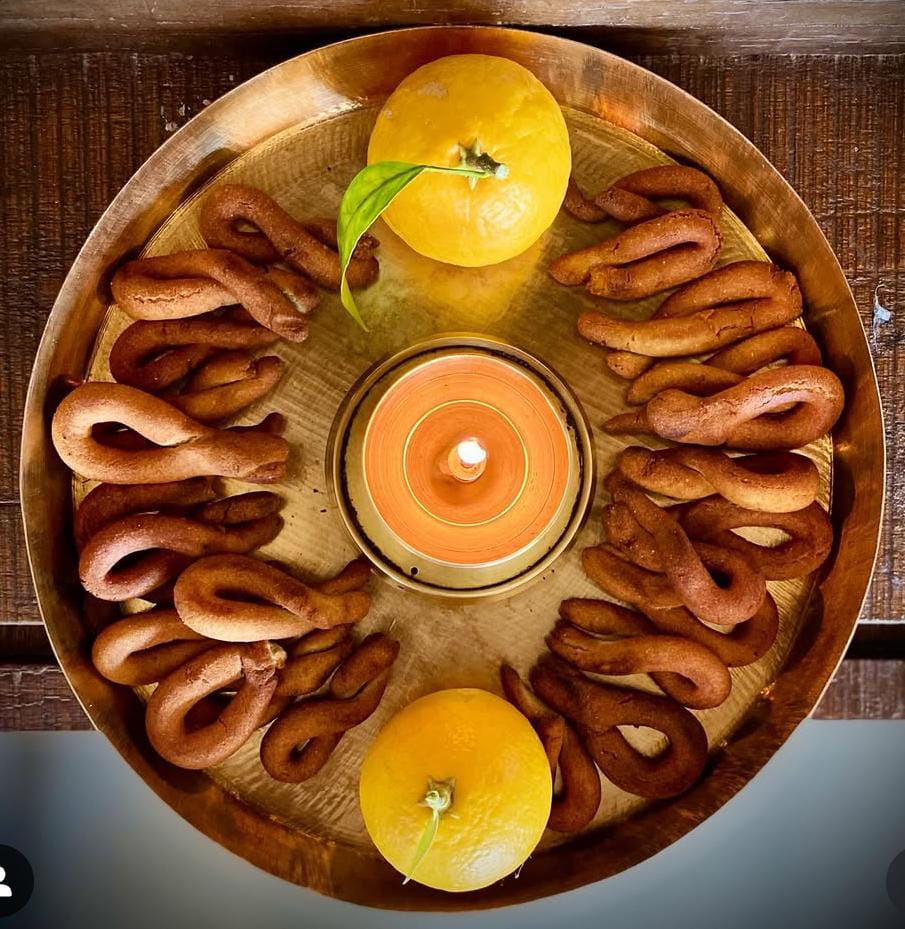
The homeowners usually greet the children with smiles. In return for the flowers and blessings, they give small gifts. Sometimes it’s jaggery. Sometimes rice or sweets. Occasionally, a few coins. Nothing very big. But for the kids walking through the village all morning, it becomes an exciting little adventure. By the time the round of houses is done, their baskets are often filled with small treats collected from different homes.
When is Phool Dei celebrated?
Phool Dei marks the morning of the Hindu month of Chaitra, which typically falls in mid-March. In 2026, the jubilee is anticipated to be celebrated on 15 March. This timing makes sense because it matches the appearance of spring in the Himalayan region. Flowers start blooming, trees turn green again, and the cold downtime eventually starts loosening its grip.
Where is the festival celebrated?
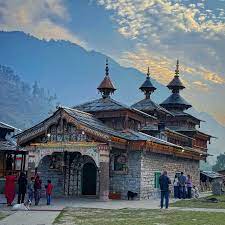
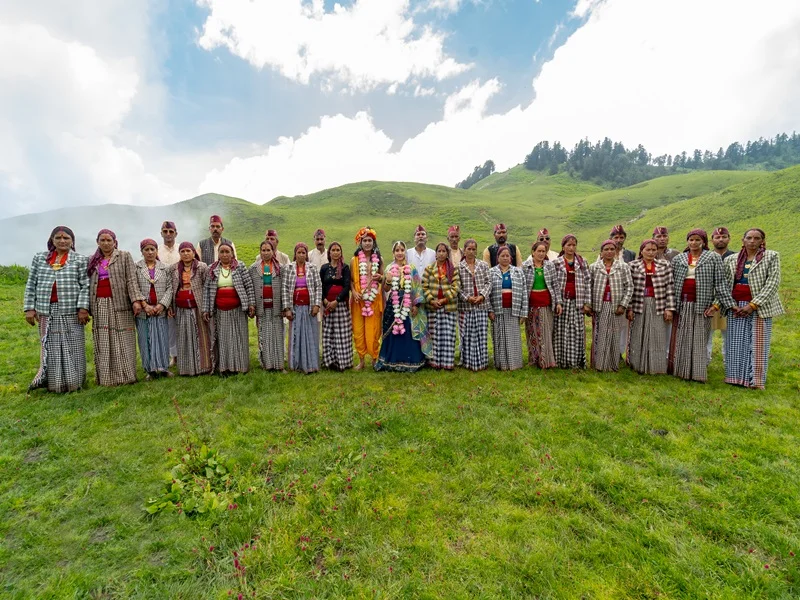
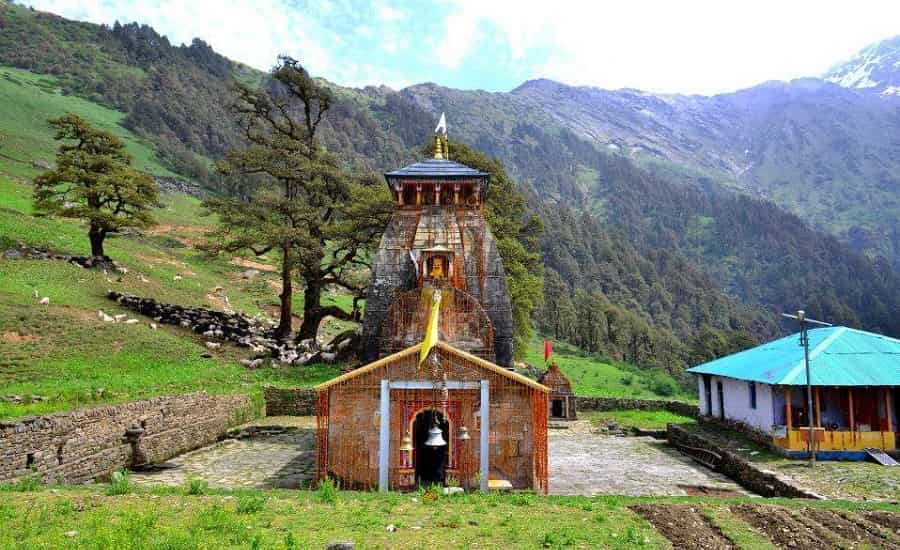
The tradition substantially belongs to the hill regions of Uttarakhand, especially in the Kumaon and Garhwal areas. In numerous small townlets, Phool Dei still feels exactly the way it must have decades ago, with children walking around with flowers, people staying at their doors, and the entire community participating at the moment.
In metropolises like Dehradun, the jubilee is occasionally celebrated during artistic gatherings so youngish generations don’t forget it. Because once traditions vanish, bringing them back isn’t easy.
Why does this festival matter?
On the face of it, Phool Dei might feel like a small pastoral tradition. But if you think about it, the idea behind it's relatively meaningful.
It celebrates
- The appearance of spring
- Gratitude toward nature
- Community connection
The innocence of nonage traditions
In mountain regions, life has always depended heavily on nature. Good seasons mean good crops and stability for families. That’s one reason why drinking spring became an important moment. And maybe that’s why the simple and natural came to the center of the festivity.
A festival that still feels genuine
Numerous carnivals come with loud music, large decorations, and huge crowds. Phool Dei is different. There’s no grand stage. No complicated rituals. Just children, flowers, and many good wishes were exchanged between neighbors. Occasionally, the simplest traditions are the bones that stay in people’s recollections the longest.
Final Thoughts
Phool Dei may not be one of India’s most notorious carnivals, but it carries a quiet beauty that’s hard to ignore. Many flowers placed at a doorstep, a small blessing sung out loud, and the feeling that a new season has eventually arrived. For the people of Uttarakhand, it’s further than just a jubilee. It’s a memorial of community, nature, and the simple manners that come with spring.