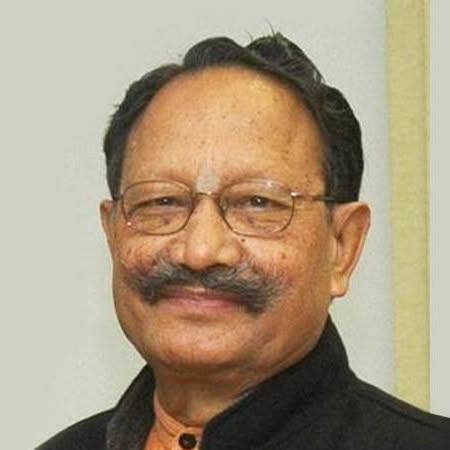
Childhood Among the Hills
Nityanand Swami was born on 5 October 1927 in Naugad, a small village tucked inside the hills of Uttarakhand. Life there has been simple but hard. Children walked miles over rocky paths to high school. Farmers woke earlier than sunrise to generally tend terraced fields, and ladies carried water in heavy pots from remote streams. Young Swami determined all this and learned early that lifestyles demanded staying power, effort, and taking care of others.
He additionally observed the feel of the network (समुदाय) inside the hills. When floods washed away crops or homes, friends helped one another without expecting anything in return. This quiet cooperation left a mark on him: genuine management is set on understanding humans’ struggles and walking along with them.
Early Steps in Service
Swami’s interest in public life commenced young. He helped prepare village programs, introduced getting to know you substances, and encouraged locals to voice issues. Later, his affiliation with the Rashtriya Swayamsevak Sangh (RSS) brought discipline and organizational abilities. Yet, it became the hills themselves, the scattered villages, the daily hardships, that fashioned his realistic method to service.
He walked from village to village, from time to time barefoot alongside rain-soaked paths, talking with farmers about irrigation and students about education. Villagers don't forget that he never spoke in slogans or empty promises. He listened, remembered, and acted when he ought to. His sincerity earned their acceptance as true.
The Path to Uttarakhand
As the movement for a separate hill state grew, Swami became a central figure. He understood that Uttarakhand faced unique challenges: weak roads, scarce healthcare, and migration (पलायन) of youth to cities. Politicians, somewhere else, talked about slogans; Swami focused on realities. He visited villages, mentioned which paths had been washed away in the monsoon, which schools lacked books, and which villages had no clinics.
His philosophy changed into easy: pay attention, understand, and act. Building a new state required endurance, planning, and empathy. Leadership, he believed, became no longer about visibility but about being present.
Becoming the First Chief Minister
On 9 November 2000, Uttarakhand became a kingdom, and Nityanand Swami assumed office as its first Chief Minister (मुख्यमंत्री). The demanding situations have been titanic. Offices have been brief, roads incomplete, and lots of villages isolated.
Swami did not organize grand ceremonies or invite cameras. He walked on the floor. He inspected roads, spoke to teachers about school assets, and discussed irrigation with farmers. Sometimes he would sit on a dusty floor, listening quietly while villagers shared their struggles. One teacher stated, “He didn’t promise what he couldn’t supply, but he listened, sincerely listened.”
Leadership That Walked With People
Swami’s management changed into calm but corporate. He valued speaking over orders and consensus over conflict. Local leaders could voice concerns freely, but he maintained recognition of crucial priorities: roads, colleges, and administrative systems.
Floods, landslides, and harsh winters continuously examined him. Yet he did not confine himself to offices. He walked through affected villages, often for hours, understanding needs directly. Governance, he believed, was about care and action, not titles or authority.
Personal Life and Simplicity
Even as Chief Minister, Swami lived honestly. He prevented pomp, wore undeniable garments, and spoke best whilst essential. Colleagues say his calm presence regularly eased tensions. Integrity guided him in every decision. Shortcuts or political theatrics have never been part of his style.
After leaving office, he continued supporting educational tasks and social programs, quietly mentoring young leaders and inspiring practical solutions to neighborhood problems. His humility made him relatable and honest in the eyes of human beings.
Legacy of Quiet Leadership
Although Swami served simply for over a year as Chief Minister, his effect became lasting. He laid the inspiration for governance in Uttarakhand with equity, patience, and grassroots connection.
Villagers don't forget small, however significant acts: checking a road below creation, taking note of a teacher’s worries, or comforting families laid low with floods. These gestures built trust. His legacy isn't in headlines or titles; however, it is in the lives he touched and the systems he helped set up.
Lessons From His Life
Swami’s tale suggests that management is not always about speeches, media attention, or instant reputation. Sometimes, it's far better to take walks miles on stone paths, pausing to listen to a farmer, and making choices whose effects appear years later.
He passed away on 12 December 2012, leaving Uttarakhand a country fashioned with the aid of integrity, care, and steady guidance. The hills of Uttarakhand keep him in mind, not for office, but for a quiet, considerate career that laid the foundation of a new kingdom.